
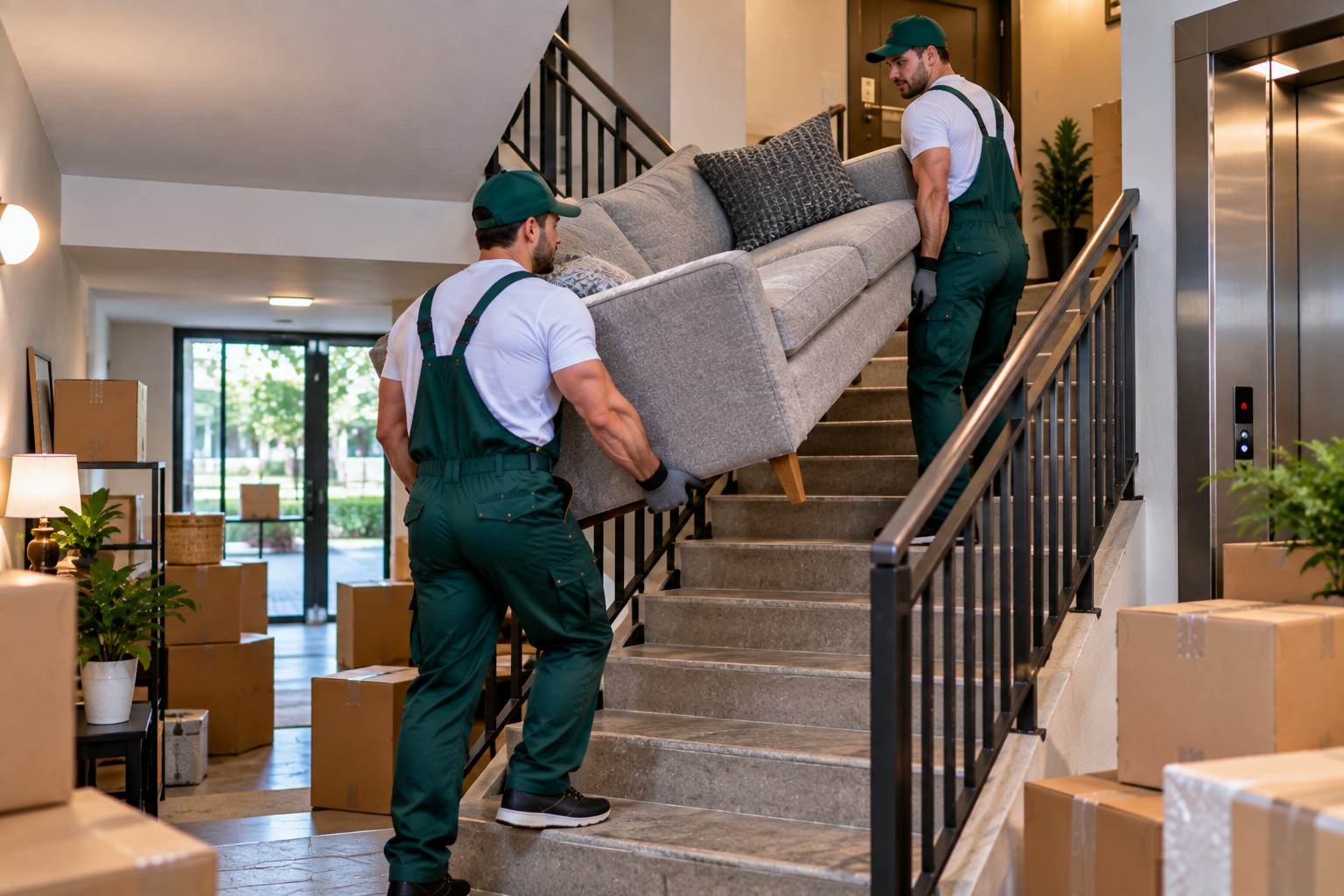
Moving from a basement apartment to a higher floor can feel like more than a change in elevation. The new home may offer better natural light, different views, additional privacy, or simply a layout that better fits the next stage of life. But getting household belongings upstairs introduces a completely different set of moving challenges.
Furniture that was easy to carry into a lower-level apartment may become difficult when stairs, elevators, narrow hallways, and multiple doors enter the picture. A little preparation can make the transition much smoother. Pro Movers and Storage can help organize the physical side of the relocation, with https://promoversandstorage.com/ offering professional moving support for apartment residents.
Study the New Building Before Moving Day
The first major task is understanding how belongings will reach the new apartment. Do not wait until the truck arrives to discover that the elevator has a size restriction or that the building requires advance reservations.
Check Every Access Point
Ask building management about:
- Elevator dimensions and weight limits
- Elevator reservation requirements
- Moving-hour restrictions
- Loading zones
- Parking arrangements
- Staircase access
- Protective requirements for shared areas
If the elevator is unavailable or too small for large furniture, determine whether the staircase can accommodate the biggest pieces.
For apartment-specific relocation planning, https://promoversandstorage.com/services/apartment-movers provides information relevant to moves involving stairs, elevators, narrow corridors, and other building-access challenges.
Measure Furniture Before It Travels
The higher-floor destination should be measured just as carefully as the building entrance. A sofa that fits through the apartment door may still be impossible to turn through a hallway.
Measure wardrobes, beds, sofas, dining tables, bookcases, and other oversized pieces. Compare those dimensions with elevator doors, hallway widths, and stair landings.
Decide What Can Be Disassembled
Furniture with removable legs, shelves, doors, or drawers may become considerably easier to move after partial disassembly. Keep screws and fittings in labeled bags and photograph complicated connections before taking anything apart.
This can also be an ideal time to reconsider furniture that no longer fits the household’s needs. There is little value in carrying a bulky piece upstairs only to discover that it does not work in the new room.
Protect the Building as Well as Your Belongings
Moving into a higher-floor apartment means passing through shared spaces. Floors, elevator interiors, walls, doorframes, and handrails may all be exposed to accidental contact.
Clear the Route
Before movers arrive, remove small objects from hallways and make sure doors can open fully. If the building requires protective coverings for elevators or common flooring, arrange them in advance.
Large furniture should be padded appropriately to reduce the possibility of scratches and dents. Controlled movement is particularly important when navigating corners and elevator entrances.
Pro Movers and Storage can coordinate the handling of household furniture while taking the building’s access conditions into account, helping prevent the move from becoming a sequence of last-minute adjustments.
Pack for Vertical Transportation
Boxes should be packed with their final destination in mind. Clearly label each container with the room it belongs to rather than using vague descriptions.
Heavy items should not be placed in oversized boxes simply because there is extra space. Smaller, manageable cartons are easier to transport through staircases and hallways.
Keep an Elevator Essentials Group
If an elevator is reserved for a limited period, make the most of that window. Keep important documents, tools, small electronics, and other immediately needed belongings together so they can be retrieved easily after arrival.
Make the First Evening Comfortable
After climbing several floors, nobody wants to spend the first night searching for bedding or bathroom supplies. Prepare an essentials bag with clothing, toiletries, chargers, medications, snacks, and basic household items.
Prioritize the bedroom and bathroom first when unpacking. Having a comfortable place to sleep and basic facilities available makes the rest of the move feel much less demanding.
Adjust to the New Layout
A higher-floor apartment may have different lighting, room proportions, and storage opportunities than the basement home. Give yourself time to see how the space works before filling every cabinet and corner.
Natural light can influence where desks, sofas, and reading areas work best. If the new apartment has less storage, consider using vertical shelving and reducing rarely used belongings rather than overcrowding the rooms.
Moving from a basement apartment to a higher floor can involve more logistical planning, but it also offers an opportunity to create a home that better matches current needs. With accurate measurements, building coordination, careful packing, and experienced apartment movers, the transition can be handled without unnecessary stress.