
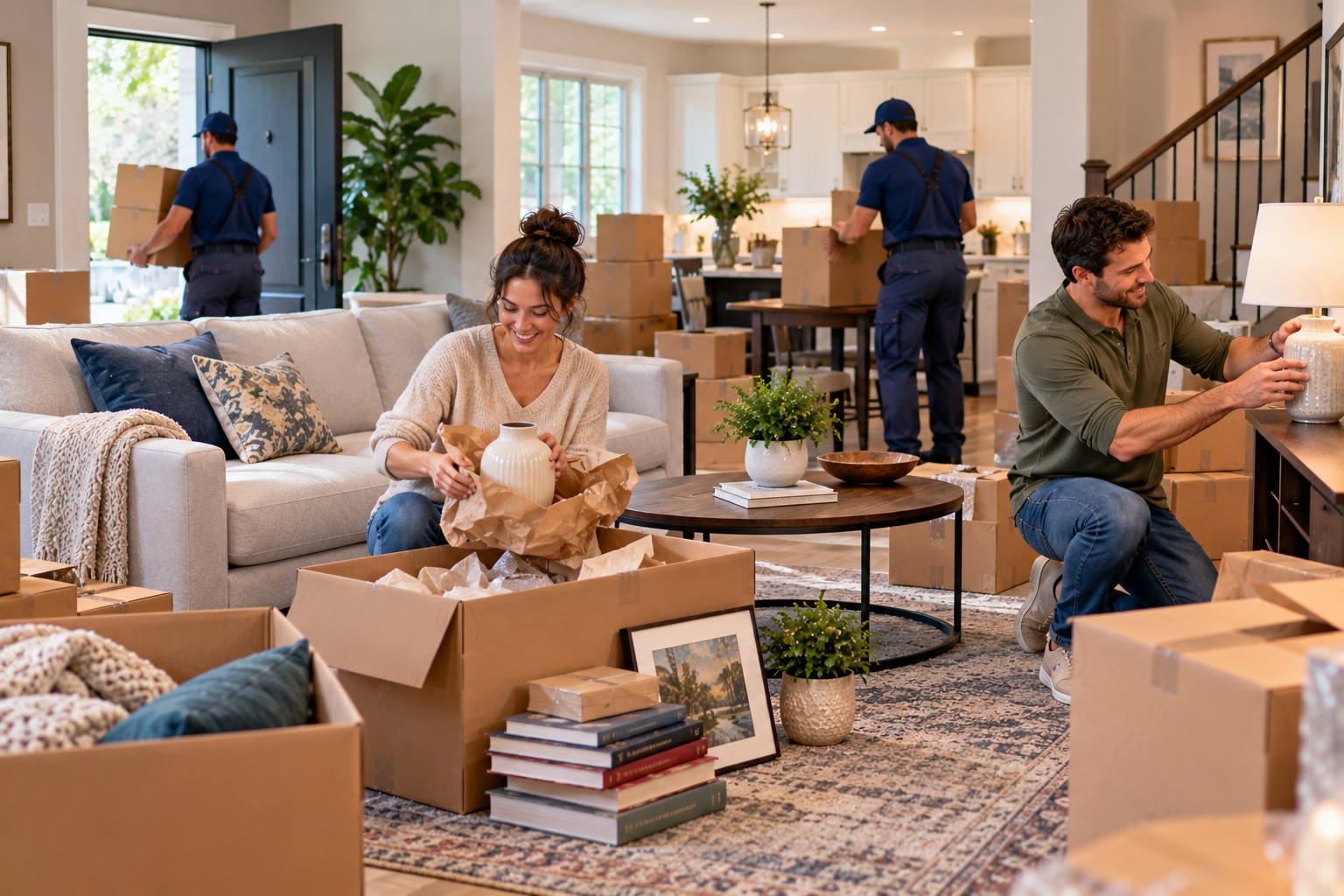
The moving truck has disappeared, the doors are closed, and suddenly the new house or apartment is yours to organize. This moment can feel surprisingly overwhelming. Boxes may be stacked in several rooms, furniture may still need adjusting, and everyday essentials can seem impossible to find.
The trick is not to unpack everything at once. A better approach is to make the home functional first and attractive later. For Las Vegas households completing a residential moving project, Nevada Movers can handle much of the physical workload so the first hours in the new property can focus on getting comfortable.
Start With the Essentials
Before opening random boxes, locate the belongings that will make the first evening easier. Ideally, these items were packed separately before the move.
Look for:
- Toiletries and medications
- Towels
- Basic kitchen supplies
- Chargers and electronics
- Toilet paper and cleaning products
- Important documents
- Bedding and sleepwear
- A change of clothes
If you prepared an essentials bag, keep it accessible rather than immediately unpacking it into drawers. You may need something from it again during the first night.
Make the Bedrooms Usable First
After a long moving day, having a place to sleep is more important than arranging decorative items. Start with the bedroom that will be used that night.
Assemble the bed, put on clean sheets, and create enough open space to move around comfortably. You do not need to organize every closet immediately.
Give Children a Familiar Space
If children are part of the household, consider setting up their room early. Familiar bedding, favorite toys, books, or decorations can make an unfamiliar home feel more recognizable.
Allowing children to choose where some personal items go can also help them feel involved in the transition.
Set Up One Functional Bathroom
You do not need every bathroom completely organized on the first day. Choose the one that will be used most frequently and make it functional.
Put out towels, toiletries, soap, toilet paper, medications, and anything else needed for normal routines. Once this room works properly, you can move on to less urgent tasks.
Create a Temporary Kitchen
A complete kitchen can take days to unpack. Start with the minimum required for meals and drinks.
Set aside a few plates, glasses, mugs, utensils, a pan, and basic food supplies. Locate the coffee maker or other appliances you use every day.
If you are too tired to cook, that is fine. The goal is simply to make the space usable rather than perfect.
Check Utilities and Essential Systems
Residential moving does not end when furniture is placed inside. Before settling down, verify that the basic systems in the property are working.
Check lights, air conditioning or heating, water, internet equipment, and major appliances if they are already connected. Locate the electrical panel, water shutoff, and other important controls.
Knowing where these systems are located can be particularly useful during the first few days.
Unpack by Priority, Not by Box Number
Once the essentials are handled, resist the temptation to open boxes randomly. Instead, choose the rooms that will have the biggest impact on daily life.
A practical order might be:
Bedroom → bathroom → kitchen → living area → work area → storage spaces
The exact order depends on your household. Someone working remotely may need a functional office immediately, while another family may prioritize the dining area or children’s rooms.
Break Large Tasks Into Short Sessions
Trying to unpack an entire home in one day can lead to fatigue and poor decisions. Work for a defined period, take a break, and return later.
Keep empty boxes and packing materials in one designated location rather than allowing them to spread throughout the property.
Resist Decorating Too Soon
It is tempting to hang pictures and rearrange furniture immediately, but your first arrangement may not be the best one. Live in the rooms for a few days before making permanent decisions.
You may discover that a chair works better near another window or that a particular cabinet blocks an inconvenient pathway. Temporary arrangements give you room to adjust.
Give Yourself Time to Settle
The first goal after a residential moving project should be functionality, not perfection. Once you can sleep comfortably, shower, prepare a basic meal, charge your devices, and find important belongings, the most urgent work is complete.
Nevada Movers can take care of the demanding physical side of the relocation, but turning a new property into a home naturally takes longer. Unpack gradually, make changes as you learn how the space works, and let the new environment develop around the routines of the people who live there.