
New York’s approach to protecting children with allergies was born from tragedy.
On November 3rd, 2017, Elijah-Alavi Silvera’s daycare gave him a grilled cheese sandwich, despite him having a known severe dairy allergy.
Read more Editor’s note: Celebrating press freedom at the LCA Show
Staff failed to follow emergency protocols and administer epinephrine, and after suffering severe anaphylaxis, Elijah passed away. He was 3 years old.
At that time, there were no laws on the books in New York to safeguard children with allergies in childcare settings. The Elijah-Alavi Foundation, created by Elijah’s parents Thomas Silvera and Dina Hawthorne in the wake of his death, worked to change that. In 2019, New York passed Elijah’s Law, the first legislation of its kind to protect children from exposure to potentially deadly allergens.
Now, it’s time to take the next step.
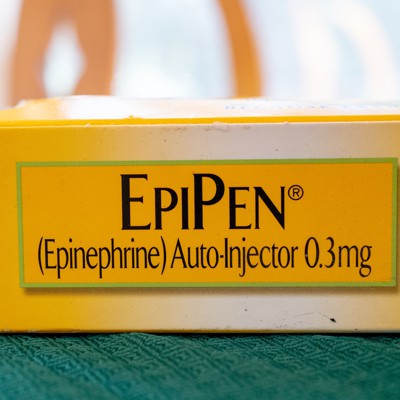
The current law requires childcare facilities to follow state allergy guidelines to recognize and respond to anaphylactic reactions. But it falls short of requiring them to actually stock epinephrine devices in the event of an emergency.
Read more Opinion: For the first time ever, “all leases, no increases”
As we work to expand access to childcare, it’s important we ensure child care centers are safe and accessible for all our kids. These spaces present a unique challenge for children with allergies: they’re often where children are first exposed to new foods or environmental factors, and their ages often prevent them from being able to properly advocate for themselves. As more families access childcare, more children than ever will find themselves in new environments and exposed to new potential allergens. Families should feel secure in knowing their childcare providers are equipped with the proper training and tools to act in an emergency.
That’s why we’ve introduced legislation to mandate that state-licensed childcare centers stock weight-based epinephrine devices and train on-site staff to recognize signs of anaphylaxis, so they can act to prevent future tragedies. Our bill also ensures that, in the event of an emergency, childcare centers are required to communicate with parents and guardians, as well as to the state agency responsible for licensing childcare centers. New York City regulations already require city-licensed facilities to follow these same guidelines, which have been in place since 2018. It’s time for New York State to catch up.
By requiring that state-licensed child care centers stock epinephrine devices and train on-site staff, we can empower providers to act swiftly in emergencies, instill trust with families, and keep all our kids safe.
Read more How the 2003 murder at City Hall shaped politics today